Outdoor adventures can strengthen the bond between pets and their owners, but beautiful trails also bring real risks. These 10 Pet Care Tips For Outdoor Activities offer practical guidance for safer walks, hikes, beach visits, and camping trips. Good preparation matters more than expensive equipment.
Before leaving, check the weather, route difficulty, and local pet restrictions. Pack fresh water, a collapsible bowl, waste bags, basic first-aid supplies, and identification details. A well-fitted harness can provide better control than a collar during steep or crowded walks. Test new gear at home. Some pets need time to accept it.
During the outing, watch your pet’s breathing, posture, and energy. Hot pavement can burn paw pads, while sharp stones may cause small cuts. Offer regular water breaks, but avoid letting your pet drink from stagnant ponds. After returning, inspect the paws, ears, coat, and between the toes for ticks or plant material. Early attention can prevent minor problems from becoming painful infections.
Never assume a strong-looking pet can handle every adventure. Age, breed, weight, health history, and previous experience all influence endurance. A veterinarian can recommend suitable exercise levels and discuss vaccines or parasite prevention. Even careful owners can overlook quiet signs of fatigue. I have learned that slowing down early is wiser than carrying an exhausted dog later. Outdoor care is not about pushing farther. It is about helping your companion return home comfortable, hydrated, and safely content.
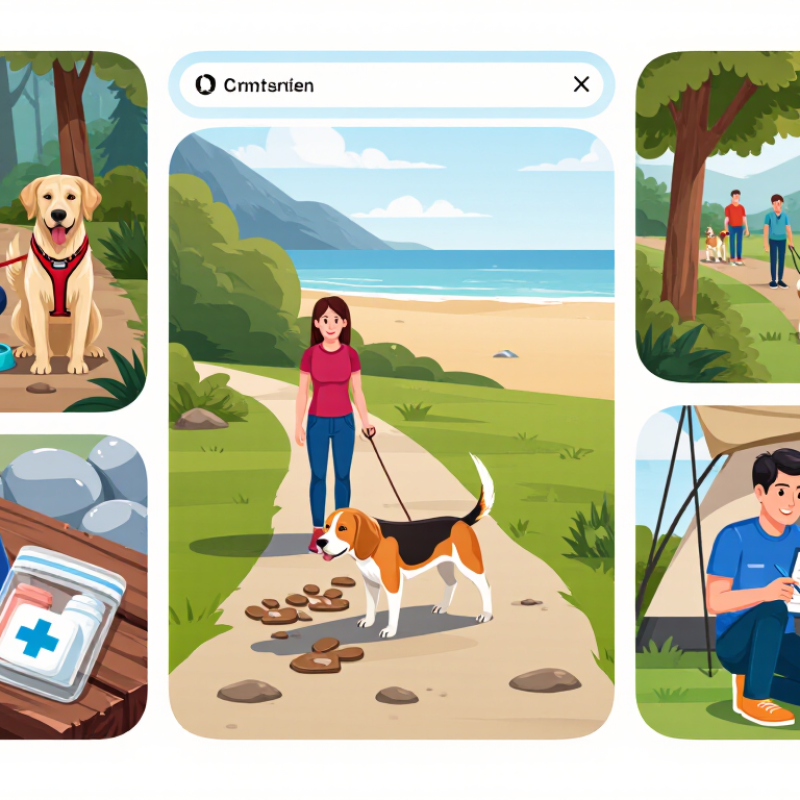
Assess Your Pet’s Health and Outdoor Readiness
Before planning outdoor activities, assess your pet’s health, age, and daily energy level. A young, healthy dog may enjoy a long trail, while an older pet may need short, shaded walks. Ask a licensed veterinarian about heart, joint, breathing, and weight concerns. Confirm that vaccinations and parasite prevention are current. Outdoor exposure can increase contact with ticks, fleas, contaminated water, and unfamiliar animals.
Watch your pet move on an ordinary day. Limping, heavy panting, coughing, or unusual tiredness deserves attention. Check paw pads for cracks before walking on rough ground or hot pavement. Test the surface with your hand for several seconds. If it feels too hot for you, it is too hot for your pet. Bring fresh water, a collapsible bowl, waste bags, identification, and a basic first-aid kit. Never rely on natural water sources alone.
Temperament matters as much as fitness. A nervous pet may panic near bicycles, crowds, or sudden noises. Practice recall and calm leash behavior in a quiet area first. I once underestimated how quickly a cool morning became exhausting for a thick-coated dog. That mistake changed my planning. Build distance slowly, watch body language, and leave early when your pet seems uncomfortable. Sometimes, staying home is the healthier choice.
Choose Safe Equipment, Locations, and Weather Conditions
10 Pet Care Tips For Outdoor Activities
Choose Safe Equipment, Locations, and Weather Conditions
Tip 1: Check every leash, harness, buckle, and carrier before leaving. I once missed a small strap tear, and it worsened during a short hike. Tip 2: Fit equipment firmly, but leave enough room for two fingers. Tip 3: Carry fresh water, a collapsible bowl, waste bags, and a basic first-aid kit. A veterinarian can recommend suitable supplies for your pet’s age and health.
Tip 4: Select quiet locations away from traffic, sharp litter, unstable cliffs, and aggressive animals. Tip 5: Confirm that dogs are legally permitted there, and keep identification details current. Tip 6: Choose shaded trails during warm hours. Pavement can burn paw pads, even when the air feels comfortable. Touch the ground with your hand first. Tip 7: Avoid outdoor exercise during thunderstorms, wildfire smoke, icy winds, or extreme heat. Short walks are safer then. Tip 8: Watch breathing, posture, and energy closely. Heavy panting, weakness, confusion, or pale gums require immediate rest and professional veterinary advice.
Tip 9: Inspect paws, ears, and fur after returning. Remove burrs and check for cuts or ticks. Tip 10: Offer water gradually and let your pet cool down naturally. I sometimes plan ambitious routes, but turning back early is wiser than testing limits. Weather changes quickly, and pets may hide discomfort until they are exhausted.
10 Pet Care Tips for Outdoor Activities
Choose safe equipment, locations, and weather conditions
Heat-index thresholds are shown in degrees Fahrenheit. Outdoor activity should be shortened or postponed as heat rises, because pets may overheat sooner than people, especially when humidity is high.
Practical Outdoor Safety Checklist
- Check the heat index, storm forecast, air quality, and daylight conditions before leaving.
- Choose shaded, well-maintained locations away from traffic and unsafe water.
- Use a properly fitted harness, leash, collar, and visible identification tag.
- Carry fresh drinking water and a portable bowl for every extended activity.
- Provide frequent rest breaks and avoid intense exercise during the hottest hours.
- Inspect paths for hot pavement, sharp objects, broken glass, ice, and chemical residues.
- Keep pets away from unfamiliar wildlife, poisonous plants, and contaminated water.
- Introduce new trails, distances, and temperatures gradually.
- Use reflective or light-colored equipment when visibility is poor.
- Stop immediately if your pet shows heavy panting, weakness, confusion, vomiting, or difficulty walking.
Prepare Food, Water, Identification, and First-Aid Supplies
10 Pet Care Tips For Outdoor Activities
Outdoor plans fail quickly when supplies are treated as an afterthought. The APPA 2023–2024 National Pet Owners Survey reports that 66% of U.S. households own a pet. Many families now include animals in travel and recreation.
Pack measured portions of familiar food in sealed containers, plus a little extra for delays. Carry more water than the route appears to require. Heat, altitude, and exertion can increase thirst. Use a clean, collapsible bowl and offer small drinks often. Do not let pets drink from stagnant ponds or streams.
I once packed enough food but underestimated water. That mistake was uncomfortable and avoidable.
Identification deserves equal attention. The AVMA 2022 U.S. Pet Ownership and Demographics Sourcebook estimates 59.8 million U.S. households own dogs. Check the collar tag, update the microchip registration, and carry a recent photo. Keep your veterinarian’s number and vaccination records in a waterproof pouch.
A compact first-aid kit should include sterile gauze, bandages, saline, gloves, tweezers, blunt scissors, and a digital thermometer. Learn how to control bleeding and cool an overheated pet before leaving home. Never give human medicine unless a veterinarian directs you.
Inspect paws for cuts, thorns, and burns during breaks. Check the kit annually. Expired supplies are easy to miss.
Protect Your Pet During Exercise, Travel, and Outdoor Play
Outdoor exercise should protect health, not test limits.
The APPA’s 2023–2024 National Pet Owners Survey reports that 66% of U.S. households own a pet. More pets are joining road trips, hikes, and outdoor games. Before leaving, check the forecast, arrange a veterinary health check, and update identification details. Use a secure harness, leash, or carrier. Never rely on obedience alone.
Carry fresh water and a collapsible bowl. Offer small drinks during activity. Bring shade, a cooling mat, and regular rest breaks. Check paws after walking on hot pavement, sharp gravel, or rough trails. The Association for Pet Obesity Prevention reported that 59% of dogs and 61% of cats were overweight or obese in its 2022 survey. Begin with short sessions, especially for senior or overweight pets. I sometimes underestimate how quickly excitement hides fatigue.
For travel, secure pets with a crash-tested restraint or a well-ventilated carrier. Never leave an animal alone in a parked vehicle. Pack food, medication, waste bags, vaccination records, and familiar bedding. Ask a veterinarian about motion sickness and destination risks. During outdoor play, inspect fur and ears for ticks, thorns, and foxtails. Keep pets away from unknown water, wildlife, and discarded food. Watch for heavy panting, weakness, vomiting, confusion, or pale gums. Stop immediately and seek veterinary help. Some “short walks” become longer than planned.
Monitor Your Pet and Respond to Emergencies Properly
Outdoor Pet Care: Monitor Your Pet and Respond to Emergencies Properly
Before leaving, check the weather and choose a route with shade, water, and safe footing. Examine your pet’s paws, coat, breathing, and energy level. Use a secure harness, carry identification, and pack fresh water, a bowl, waste bags, and a basic first-aid kit. Keep your veterinarian’s number available. I sometimes underestimate how quickly conditions change, especially near open fields or hot pavement.
Watch for heavy panting, drooling, weakness, confusion, limping, vomiting, or unusual silence. These signs require immediate rest in a cool, quiet place. Offer small amounts of water, but never force drinking. For heat-related distress, contact an emergency veterinarian while cooling your pet with room-temperature, wet towels. Do not use ice or give human medicine. If bleeding continues, apply gentle pressure with clean gauze. A deep wound, suspected poisoning, breathing difficulty, collapse, or seizure needs urgent professional care.
Stay calm and keep your pet restrained during transport. A frightened animal may bite, even when normally gentle. Check the mouth only if an object is clearly visible and easy to remove; pushing blindly can cause more harm. After the outing, inspect the paws, ears, skin, and fur for cuts, thorns, insects, or ticks. No checklist is perfect. Careful observation still matters more than finishing the planned walk.
Conclusion
Pet Care Tips For Outdoor Activities begin with assessing your pet’s health, fitness, age, and comfort level before planning an adventure. Choose equipment that fits properly, secure locations away from traffic and hazards, and weather conditions that are neither too hot nor too cold. Prepare enough fresh water, suitable food, identification, waste bags, and a basic first-aid kit. Before leaving, make sure your pet can be safely secured during travel and is familiar with any new gear.
During exercise, hiking, play, or trips, provide regular breaks and watch for signs of overheating, exhaustion, stress, injury, or dehydration. Keep your pet within sight and prevent contact with unsafe plants, wildlife, sharp objects, or contaminated water. If an emergency occurs, move your pet to a safe area, provide calm and appropriate first aid, and contact a veterinarian as soon as possible. Careful preparation and attentive supervision help make outdoor activities safer, healthier, and more enjoyable for both pets and their owners.

 HURO Pets